Faculty of Fisheries Science
Program Overview
The Fisheries Science program is established to develop qualified human resources who can contribute to the management and development of the fisheries sector. This is achieved through training that provides knowledge and skills for creating livelihoods, along with a strong foundation in the natural sciences. The program emphasizes the study of hydrology, environmental changes in the physical, biological, and socio-economic contexts, as well as climate change, in order to advance fisheries development and the management of fisheries enterprises, aquaculture farms, processing industries, and related sectors.
Program Highlights
- Strengthen the ability to disseminate information and raise awareness in the fisheries sector, particularly regarding vulnerable and endangered species, threats, aquaculture practices, processing, and related industries.
- Promote investment and technology transfer by providing appropriate techniques and technologies to stakeholders, while upholding proper professional ethics.
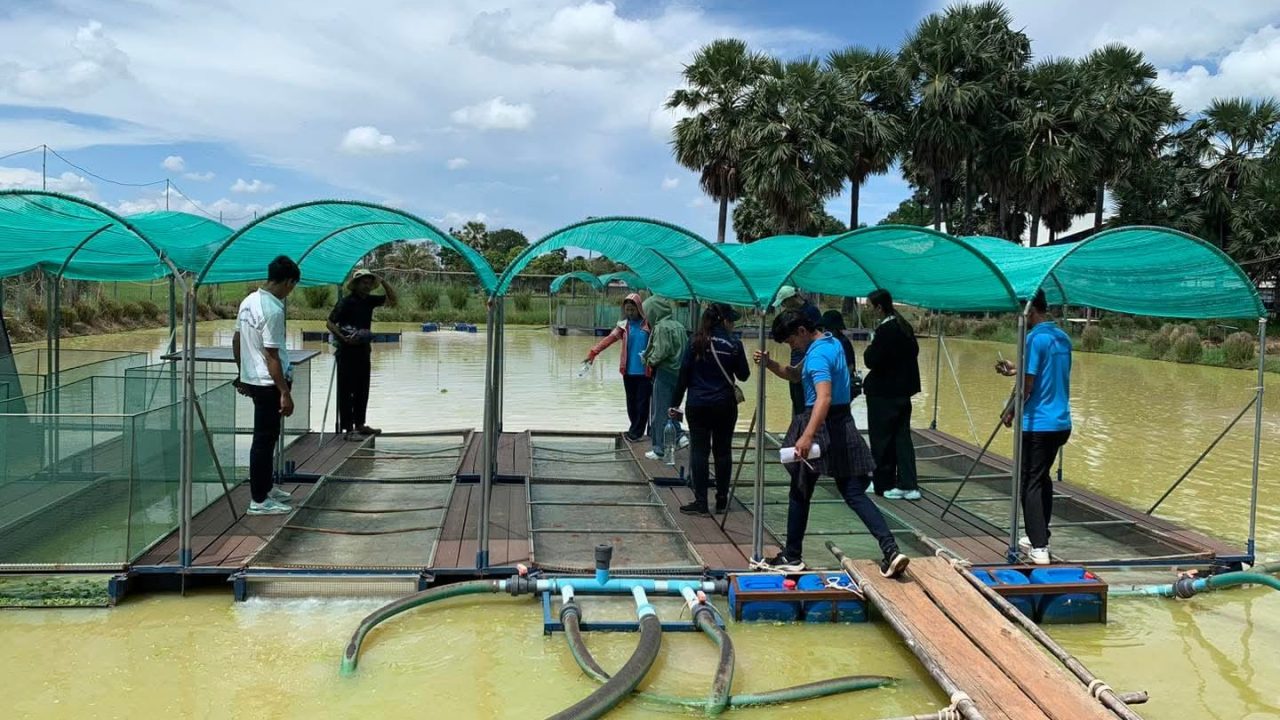
- Equip students with research capacity, data recording, analysis, and evaluation of fishery resources, their utilization, conservation, and development in both freshwater and marine aquaculture, to ensure sustainable fisheries management. It also builds students’ skills to create livelihoods and employment opportunities in the fisheries sector, contributing to socio-economic development.
Program Structure
|
Year
|
Focus Areas
|
|---|---|
|
Year 1
|
Introduction to Fisheries Science, Aquatic Biology Principles of Aquaculture
|
|
Year 2
|
Fish Nutrition and Feed Technology, Fisheries Resource Management, Aquatic Animal Health
|
|
Year 3
|
Marine Fisheries, Aquaculture Technology
|
|
Year 4
|
Fisheries Economics, Post-Harvest Technology
|
Career Opportunities
Our graduates are prepared for diverse careers in the agricultural sector
Fisheries Officer
Manage, regulate, and conserve fishery resources.
Aquaculture Technician
Operate and maintain fish farms and hatcheries.
Researcher
Research in fisheries biology, aquaculture, and marine science.
Fisheries Entrepreneur
Develop and manage aquaculture or fish product businesses.
Community Fisheries Facilitator
Work with local communities on sustainable fishing practices.
Environmental Officer
Monitor aquatic environments and assess human impacts on ecosystems.
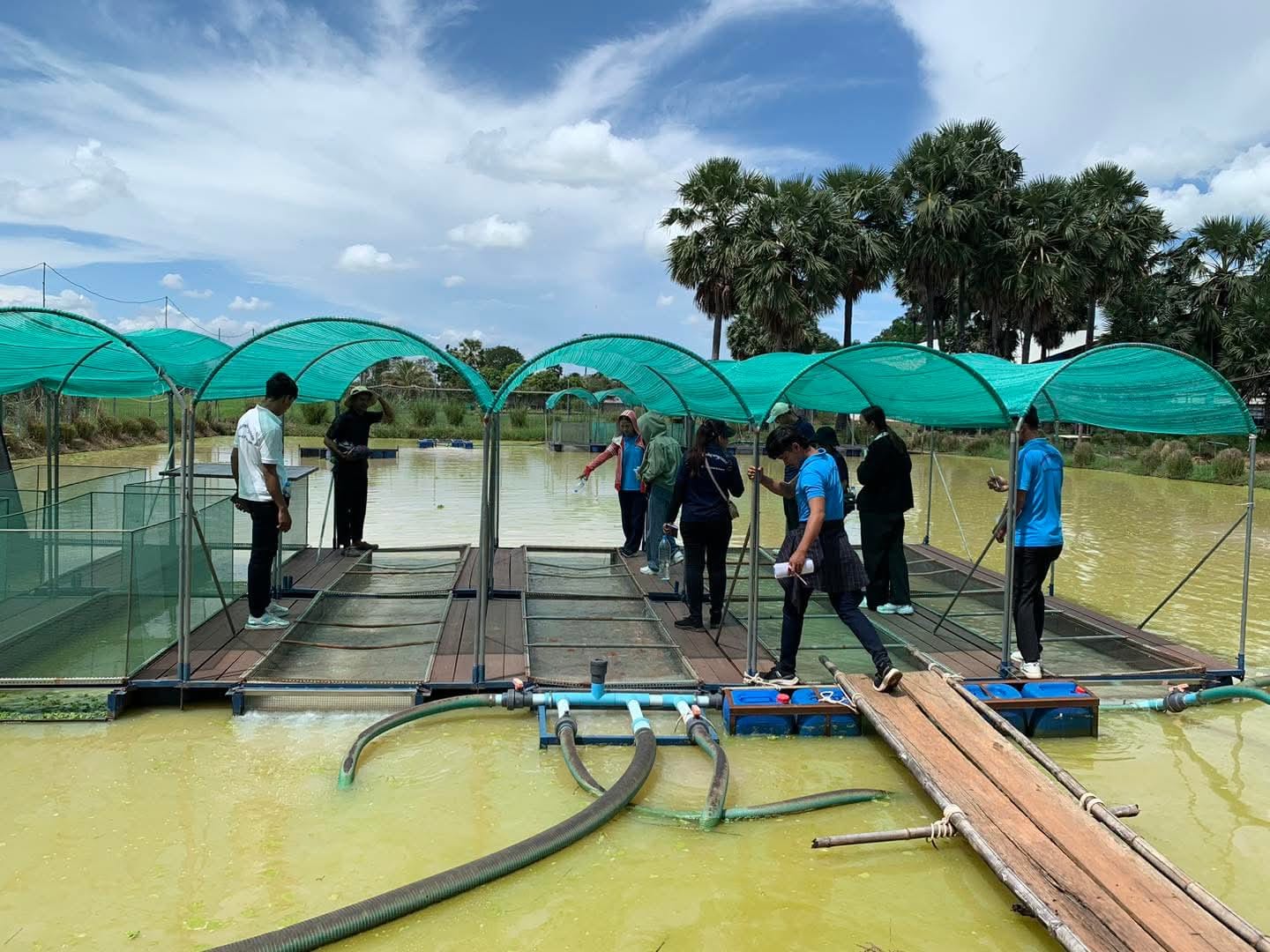
Fishery Science Activities
Student Testimonials

Sokha Lim
Agronomy, 2025
“The hands-on learning at KNIA has prepared me so well for my internship at a local agribusiness. The faculty truly care about our success.”
Sokha Lim
Agronomy, 2025
“The hands-on learning at KNIA has prepared me so well for my internship at a local agribusiness. The faculty truly care about our success.”
Sokha Lim
Agronomy, 2025
“The hands-on learning at KNIA has prepared me so well for my internship at a local agribusiness. The faculty truly care about our success.”