Faculty of Agronomy Science
Program Overview
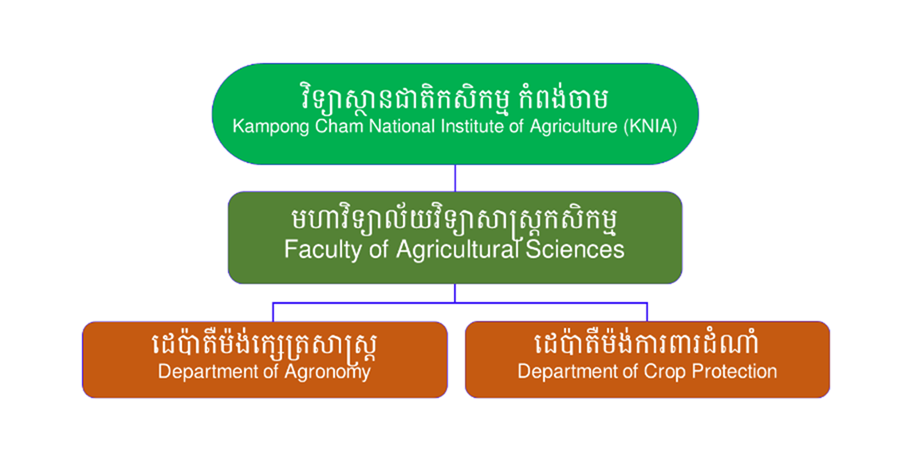
The Faculty of Agricultural Science is a faculty within the Kampong Cham National Institute of Agriculture (KCNIA).
The Faculty of Agricultural Science has been training students since 1995, initially offering an Associate Degree in Agricultural Technology. In 2001, coinciding with the transformation of the Kampong Cham National School of Agriculture into the Kampong Cham National Institute of Agriculture, the Faculty launched Bachelor’s degree programs specializing in Agronomy.
The Faculty’s vision is to transform into a high-quality educational institution meeting national standards and gaining international recognition through education, training, research, and the dissemination of agricultural technology.
The primary mission of the Faculty is to produce highly capable human resources in the field of agricultural science, including Soil Fertility Management, Crop Cultivation Techniques, Crop Management Science, and the cultivation of strong teamwork ethics.
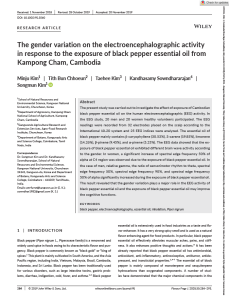
The Faculty of Agricultural Science is an academic institution equipped with capable and talented human resources dedicated to teaching, practical application, innovative research, and providing quality support services to students and the community.
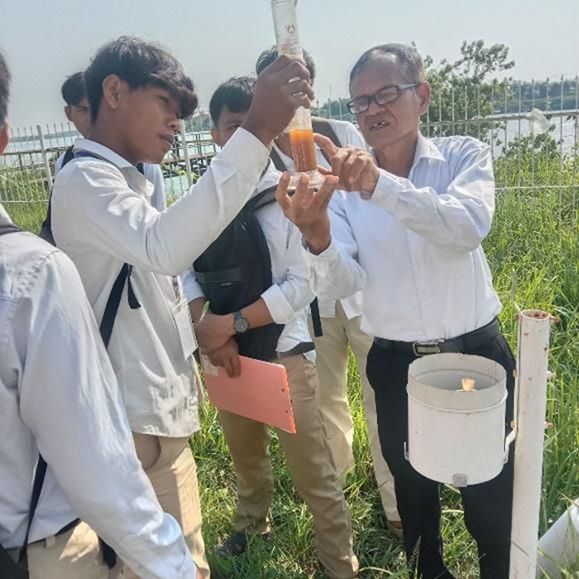
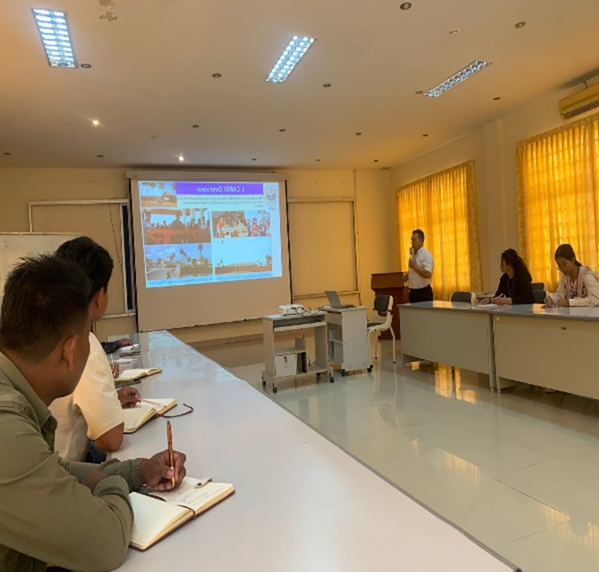
To support training and education, the Faculty is equipped with student classrooms, meeting rooms, offices for teaching and research staff, a Biotechnology Laboratory, a Mushroom Laboratory, a Vegetable Oil Laboratory, two plant nurseries, and a 300-square-meter net house located within the KCNIA campus.
Program Highlights
Soil Science and Plant Nutrition Specialization: We train students on soil quality improvement and sustainable land use through theoretical study and practical application in subjects such as Soil Science and Land Use, Agrochemicals, and Soil Fertility Management.
Crop Production and Horticulture Specialization: Students study cultivation techniques for rice, fruit trees, vegetables, and industrial crops. The curriculum covers plant propagation techniques (seed and vegetative), Horticulture, Genetics, and Plant Breeding.
Plant Protection and Smart Agriculture Specialization: This includes the study of modern agricultural machinery, water management and irrigation systems, Hydroponics, Plant Protection, Plant Pathology, Entomology, Chemical application, and Good Agricultural Practices (GAP).
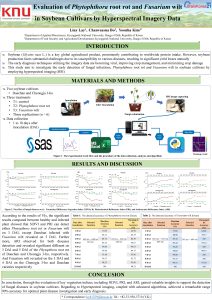
Research and Innovation: Training on research projects, research methodology, data analysis, project management, and writing research reports recognized at both national and international levels.
6. Agribusiness Skills: Training on agricultural product processing, economics, marketing, and agribusiness management.
5. Communication and Soft Skills: Empowering students with the ability to coordinate teamwork in practical applications, research tasks, and social work, as well as building good relationships with the community and stakeholders.
Program Structure
Career Opportunities
Upon successful completion of the Bachelor of Science in Agriculture, students will have the following opportunities:
Establish and operate businesses and services related to their skills.
Work in public institutions, the private sector, and national or international organizations within the agricultural sector and related fields.
Produce potting soil, fertilizers (compost, supplements), and plant protection/treatment agents for personal farm use.
Continue studies for a Master's degree in Agricultural Science or related fields, both domestically and abroad.
Manage personal enterprises such as farms (crop production: food crops, fruit trees, industrial crops, etc.), seed production businesses, landscaping services, etc.
Start a team or business selling agricultural equipment and supplies.
Student Testimonials
Sokha Lim
Agronomy, 2025
“The hands-on learning at KNIA has prepared me so well for my internship at a local agribusiness. The faculty truly care about our success.”
Sokha Lim
Agronomy, 2025
“The hands-on learning at KNIA has prepared me so well for my internship at a local agribusiness. The faculty truly care about our success.”
Sokha Lim
Agronomy, 2025
“The hands-on learning at KNIA has prepared me so well for my internship at a local agribusiness. The faculty truly care about our success.”